
Visionaries not victims: Pacific Young Women Re‑writing the Story of Climate Leadership
In Kiribati, the ocean is not a metaphor. It is at the doorstep, in the food gardens, in the drinking water.
For Tabouea Naare, a young woman leader with Nei Mom Uprising, climate change is “not abstract – it is saltwater in our crops, it is our water being inundated, and it is the question of whether our children will have land to stand on.” Her response, she says, “cannot be abstract either – it must be rooted in who we are.”
This year’s theme for International Youth Day is “Different Contexts, Common Aspirations”. Tabouea’s story – and the stories of Pacific young women like her – show us what that theme looks like in real life.
Weaving three strands: culture, faith and feminism
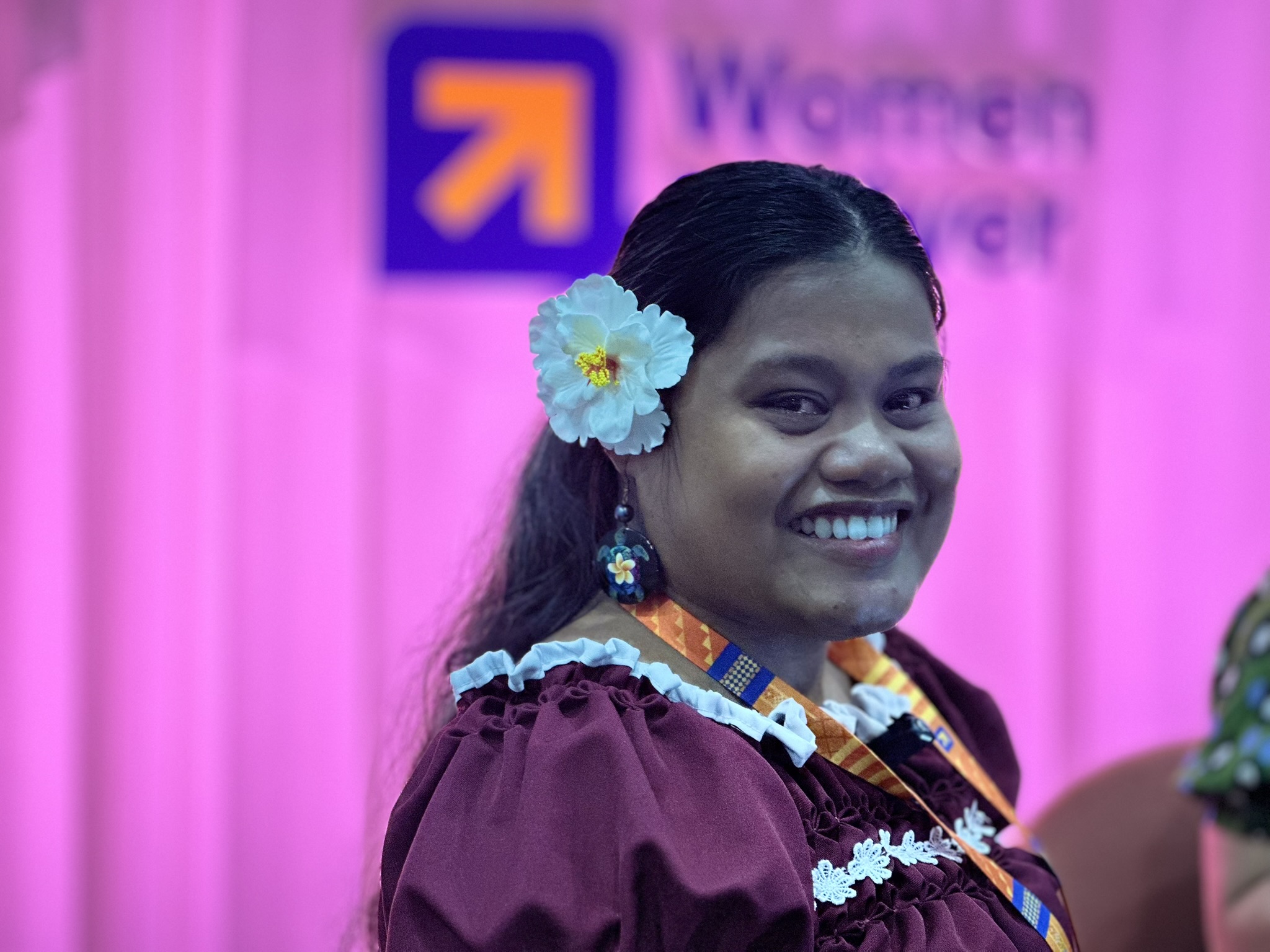
As Tabouea describes, young women in Nei Mom Uprising organise from the realities of atoll life. They are “daughters, mothers, caregivers, community members – and climate organisers at the same time.” Their feminism “does not come from outside; it grows from our responsibilities to our families, our communities, and our land.”
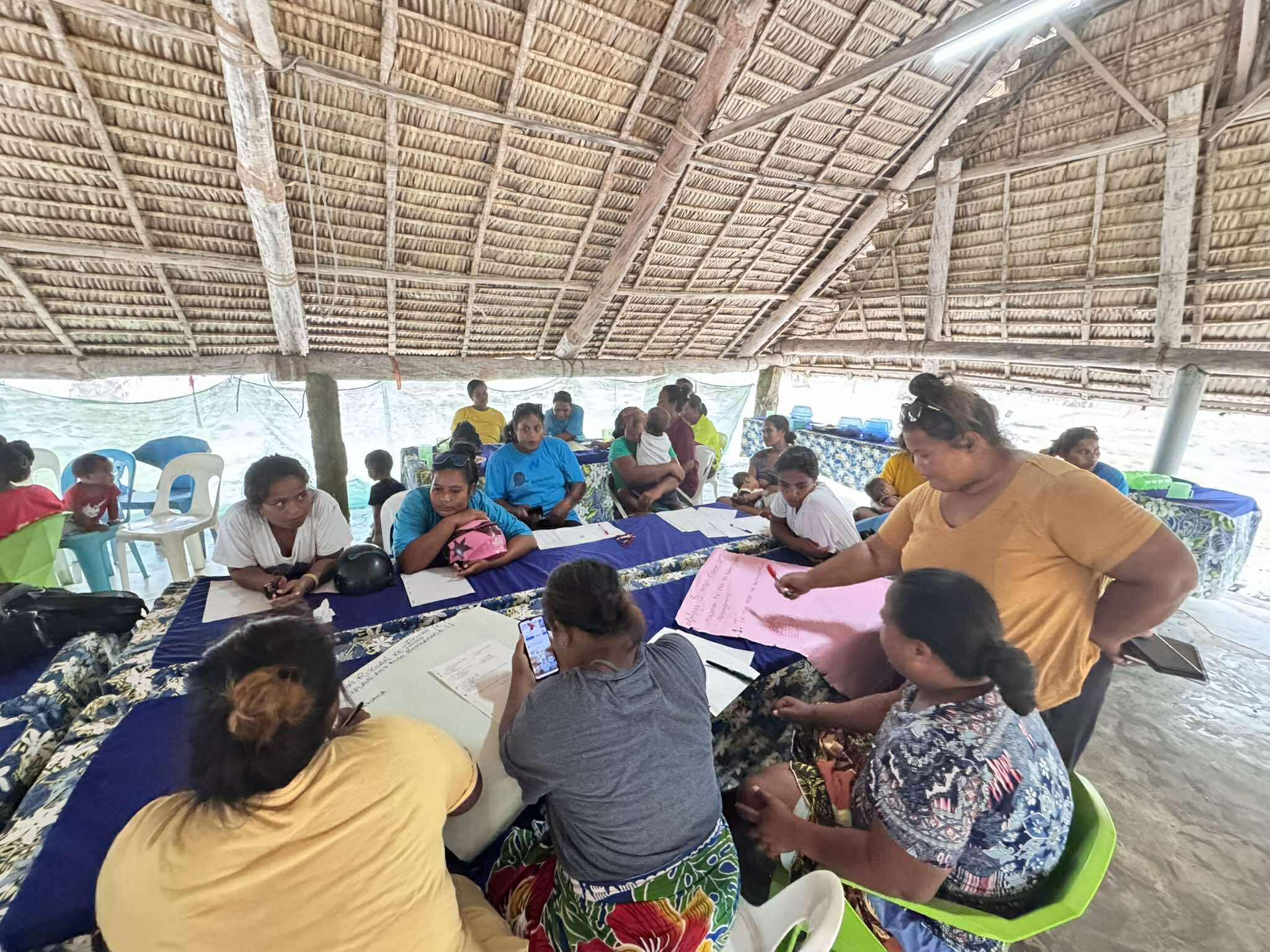
In Kiribati, the maneaba – the traditional meeting house – is more than a building. It is where storytelling, collective life and decision‑making happen. Nei Mom Uprising works in that same spirit, bringing together women and young mothers to talk about how climate change is already reshaping their daily lives and their roles as daughters, mothers and women.
With support from partners including Shifting the Power Coalition (StPC) and the Pacific Island Feminist Alliance for Climate Justice (PIFA4CJ), they convene workshops and trainings on climate change, resilience, leadership, early warning systems and food security. These are not one‑off sessions; they are part of building collective awareness and learning from one another about how to adapt and organise in ways that make sense for atoll communities.
Faith as a language for climate justice
Kiribati, Tabouea reminds us that, “many people are Christian, so faith is an important part of our lives.” Rather than seeing faith and feminism as opposites, Nei Mom Uprising creates spaces that connect faith and human rights.
They work with women’s faith‑based groups through activities like coastal clean‑ups and community dialogues, framing climate justice as care and stewardship of the environment, and responsibility to future generations. For young women, this is a powerful opportunity to talk about climate action with elders, church leaders and families.
From “victims” to decision‑makers, organisers and protectors
Global narratives often cast Pacific communities only as “victims” of climate change. Tabouea offers another story:
“As a young I‑Kiribati woman in Nei Mom Uprising, we are not only facing the climate crisis – we are responding to it every day. We are decision‑makers in our homes and communities; because we decide how to manage food, water, and resources when conditions are changing.
We are organisers, as we bring women and young mothers together in our communities to talk, plan, and act – whether through workshops, clean‑ups, or building climate awareness.
And we are protectors of our islands. We care for our coastlines, we pass on knowledge, and we work to make sure our communities can adapt and stay strong.”
Her images are vivid and grounded:
“Waking up to women already working. Seeing a young mother waking up early to check her food garden, even though the soil is turning salty. Seeing women gathering in the village, sitting together, sharing stories – not just about climate change, but about how to respond to it. Seeing young girls and mothers joining our volleyball games, our workshops, our spaces – slowly finding their voice, learning that they can lead.”
This is the story they are weaving in Nei Mom Uprising: not a story of disappearing, but of leadership, resilience and responsibility. Yes, they are on the frontlines of climate change – but also “on the frontlines of solutions,” asking the world to see them not as helpless, but as partners and leaders who already know what works in their communities.
A mat that holds together: different contexts, common aspirations
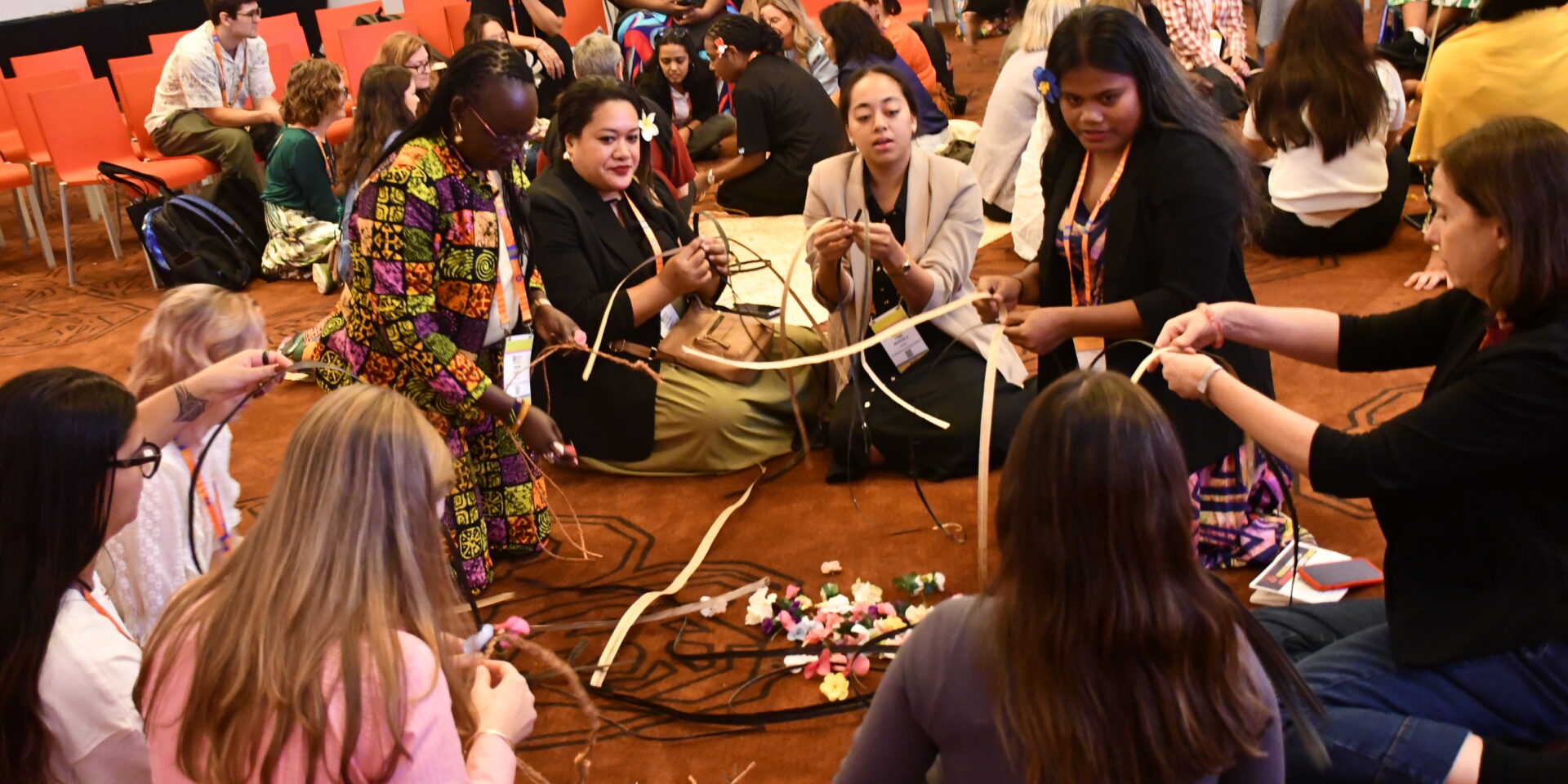
In Kiribati, when you weave a mat, you use three strands. If one strand is missing, the mat will not hold together. For Tabouea, culture, faith and feminism are those strands:
“We cannot separate culture, faith, and feminism – they are all connected. If we separate them, our work becomes weak. But when we weave them together, we create something strong, that can allow us to confront and overcome the climate crisis.”
Across our wider work, young women from across the Pacific echo this weaving:
Pacific young women are convening youth advisory councils, peacebuilding forums, and steering committees, insisting that youth engagement is not tokenistic but institutionalised, resourced and safe.
Different islands, different languages, different political realities – but common aspirations: to stay on their islands, to lead the response to the climate crisis, and to do so in ways that honour their cultures, their faiths and their feminist commitments.


