
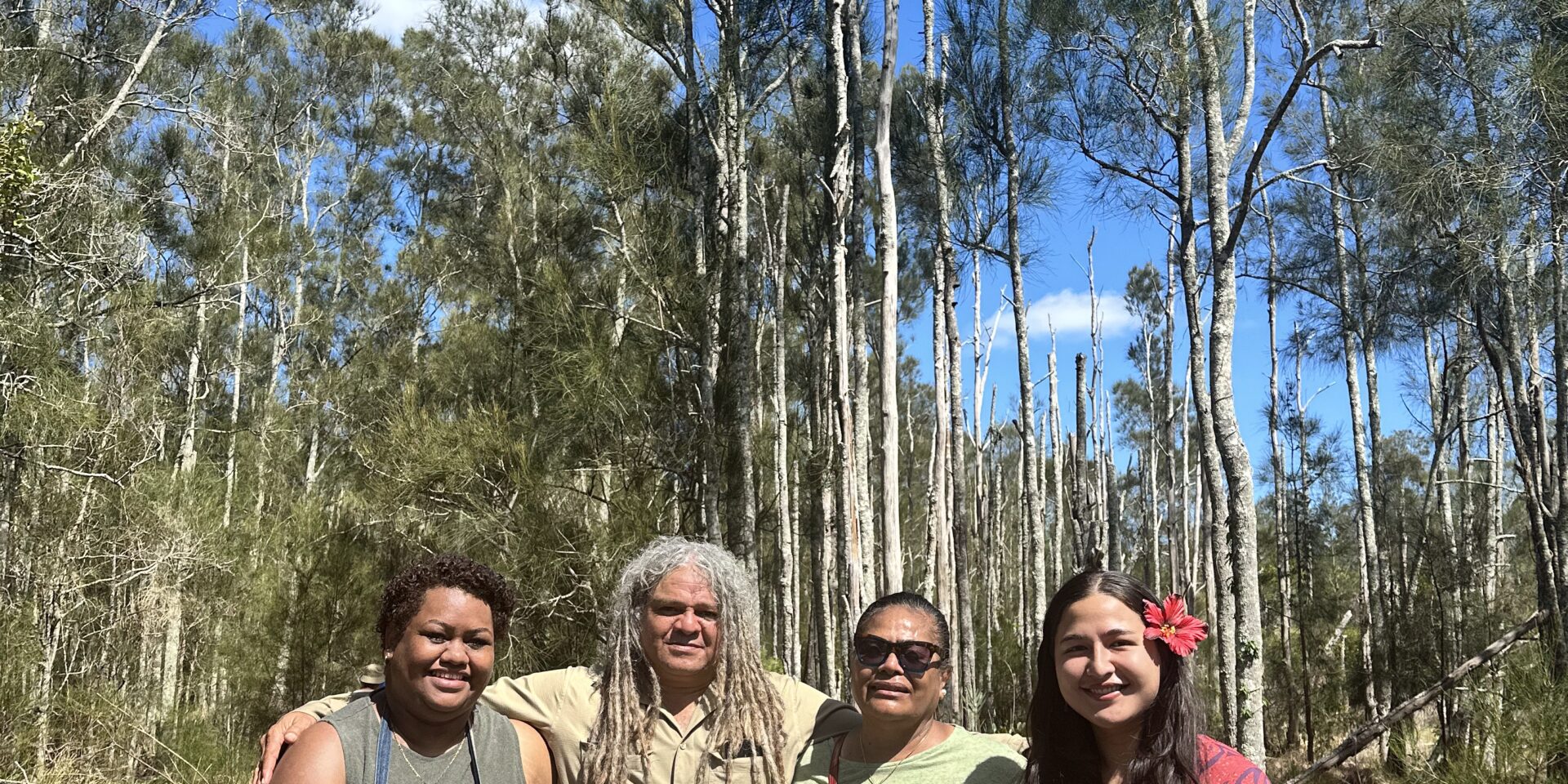
From Nyangbul Country to the Pacific: Wetlands, Knowledge and Climate Resilience
“I have been asked if I think climate change is real?
My response has been that if you look at Country, it will give you indicators if the Country is healthy and at the moment it’s not.”
Bandajulang and Nyangbul man from lower Richmond River, Marcus Ferguson, also known as ‘Uncle Marcus’ shared deep insights on how much country has to heal as most of its land and rivers, and coasts continue to be impacted by climate risks.
He also shared how the Indigenous and First Nations people of country have known for thousands of years how to help heal the land through traditional practices.
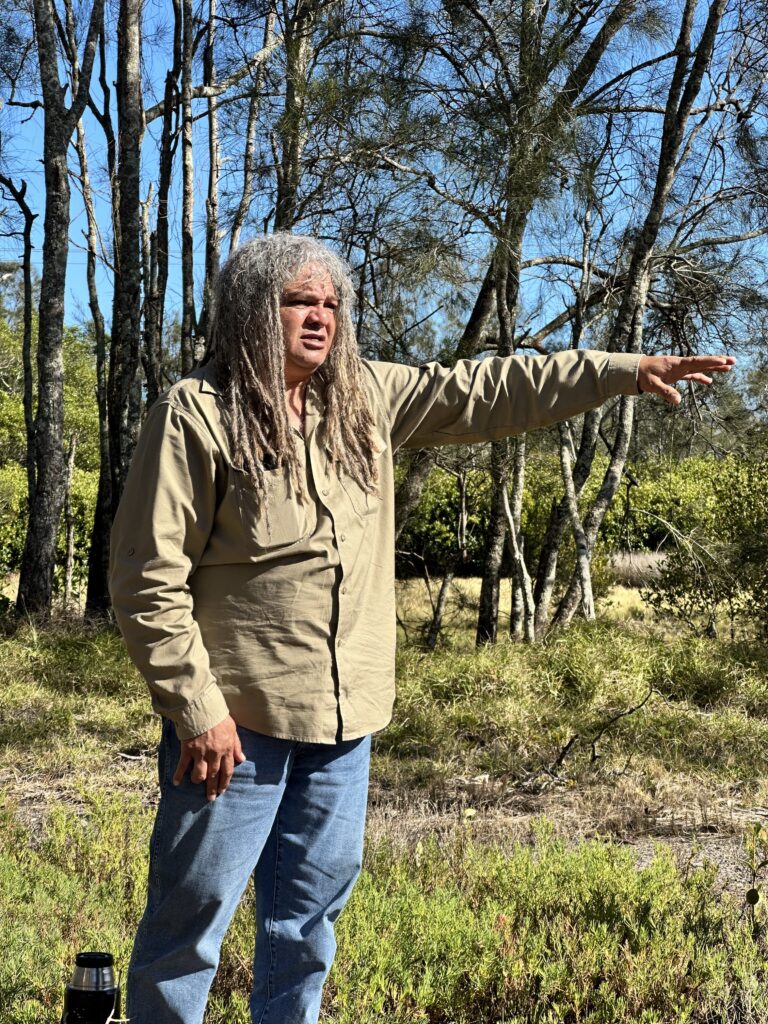
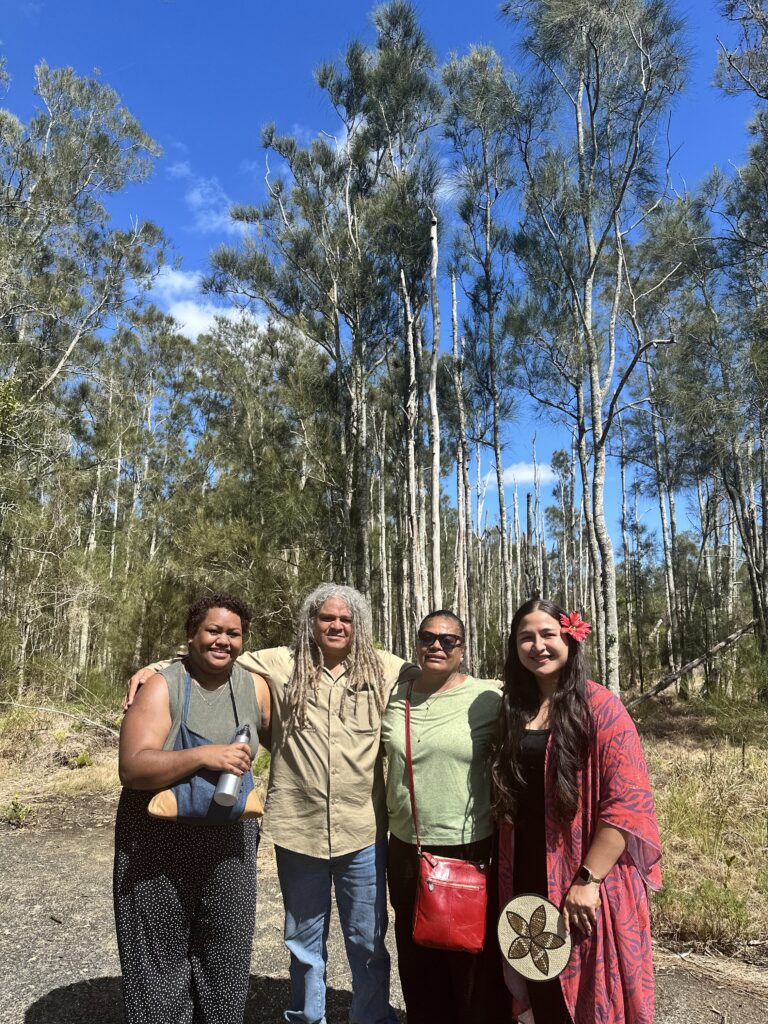
As part of our fellowship programme – our cohort had the opportunity to visit Ballina North Creek on Nyangbul Country where a wetland restoration project is being led by the Indigenous community.
The Jagun Alliance which Uncle Marcus is a part of is working with organizations like OzFish to support the goals of the local communities in places like in Nyangbul Country.
“Again, it’s about working with each other for the best outcome for Country,” said Uncle Marcus.
This reaffirms our commitment as a Coalition in working with indigenous communities who have vast traditional knowledge, and the know-how of how their lands work and how traditional knowledge is used to help maintain, protect and safeguard their land and species.
And, as Uncle Marcus continues to advocate for, ‘If you want to learn about these things the best place to do is out on country.”
OzFish is Australia’s only fishing conservation charity whose focus is to empower and support recreational fishers and their communities to take control of their waterways. They help restore habitat which improves the ecosystem of Australia’s waterways and providing healthy environments for native fish species to not only survive in them but thrive.
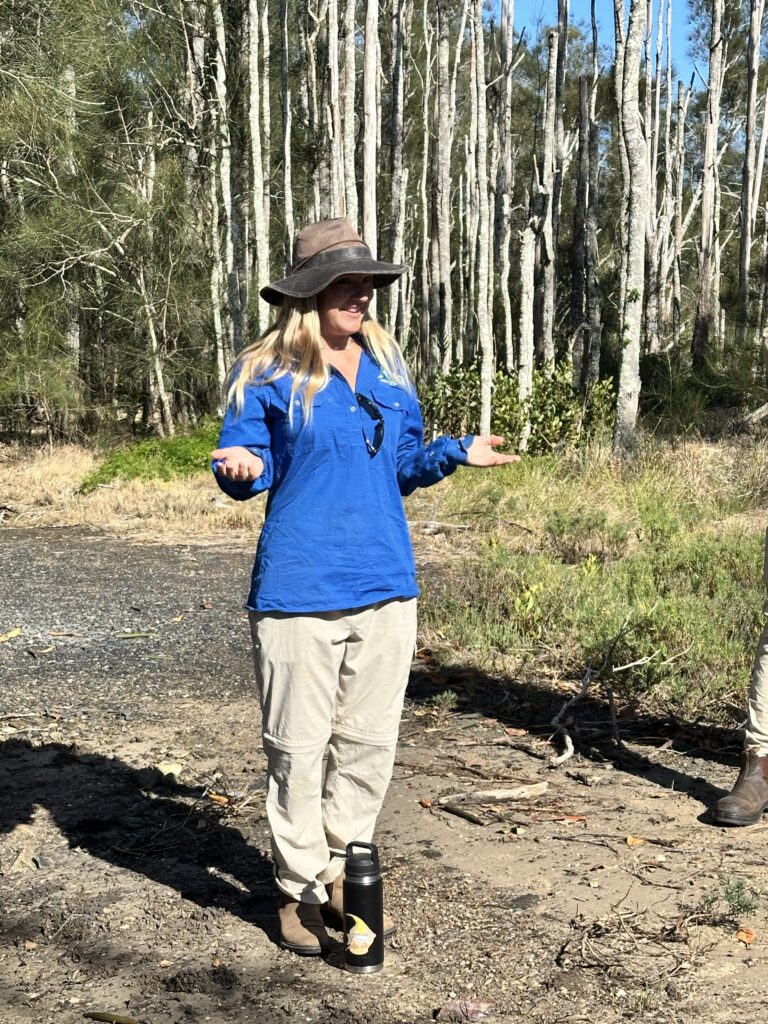
We had the opportunity to also meet Ashley Castle from OzFish who is passionate about her work with the indigenous communities such as those in Nyangbul Country and working with them to help restore their native fish habitat.
“This is a huge catchment area and there’s a lot that needs to be done from the top and everything that’s happening down here. It’s absolutely devastating when you see a lot of dead fish near the coast due to the impacts,” she said.
“So there is a lot of work that’s being done but there needs to be more work done and everyone is now working together in the different communities and making sure we’re looking after areas like this,” she adds.
“Looking after the sea grass and trying to get oysters and all of the habitats back so that when our fish stocks are trying to come back and we’re seeing a lot of baby fishes come back which is good.”
Castle also raised an important point about the sustainability of funding, which if you’re working in the development sector (a term I rarely like to use) you will recognise the constant struggle of ‘sustainability’ when it comes to funding projects and activities in the Pacific in the long term.
“I think from the 2022 floods there was a lot of money flushed into the area but its funding that that will end at some point too but the impacts are not going to go away so there’s the challenge for us is how do we make sure there’s long term support because these impacts are not going to go away in the short-term.”
As a Coalition, we’re also striving to build partnerships and finding ways to sustainably support and help create funding pathways for our indigenous women’s groups and their communities.
It’s no mean feat, it’s difficult and often creates more problems than strategies or solutions to help address climate risks.
As a personal reflection, this session and excursion has helped reiterate to me the importance of first nations and indigenous peoples: their knowledge, their ways of living, fishing and traditional practices are just as important as the science.
The two need to co-exist especially for our lands, rivers, species and traditions to continue to thrive and survive. However, this is easier said than done, especially for places where deep trauma caused by colonialism continues to exist.
In our Pacific communities, rivers, creeks and coastal wetlands are our first lines of defence – when flooding cuts a simple creek crossing, it cuts our people off from schools, clinics and community life. Protecting mangroves, reefs and rivers is not just about nature; it’s about safe passage, food on the table and the dignity of being able to reach essential services.
In order for the two – to work in tandem I believe we must respect Country (First Nations and indigenous Pacific people), and respect Indigenous people who have come before us and let them lead on issues that affect them.
This reflection reminds us that long-term, Indigenous- and community-led restoration of mangroves, rivers and reefs matters; that inclusive early warning systems need to reach even our most remote villages; and that custodians of land and sea must be recognised as equal partners in shaping climate solutions.
Till the next update, Baru yari (chat soon).
Vilimaina Naqelevuki is in Australia for a three-week Fellowship with Griffith University on Scaling Finance for Indigenous Climate Adaptation Solutions. This reflection was written for World Wetlands Day marked annually on 2 February.


